Thursday, January 14, 2010
Make a Difference Introduction
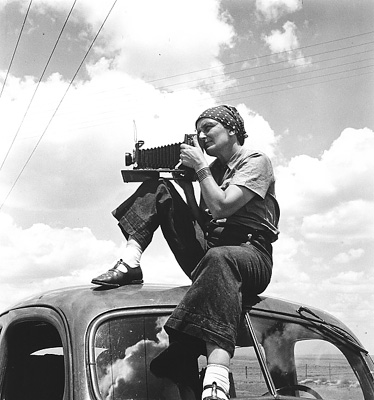
Dorothea Lange has made a huge difference in the lives of human beings. Without her we would have never known many important times that happened and were happening. By her portraying how rough lives were for people in different times it helped get others to help them and make a difference. Dorothea is a huge role model and someone that made a huge difference. Lange helped our country in a huge way.

Biography
Dorothea Lange was born on May 26th, 1895, in Hoboken New Jersey. Dorothea was a photographer who “She could look at something: a line of laundry flapping in the wind, a pair of old, wrinkled, work- worn hands, a bread- line, a crowd of people in a bus station, and find it beautiful”. She was always interested in photography ever since she was a little girl. Lange loved photography so much she would skip class and walk through her neighborhood. When she was seven years old she got polio that ended up causing her to have a limp. The kids in her neighborhood would always make fun of her. The worst part was that her mom was embarrassed of her own daughter. At the age of twelve her dad walked out on her and her family. This ended up in them moving in with the children’s grandmother and great- aunt in Manhattan. Her childhood caused her to want to photograph because she would love all of things that she saw in Manhattan.
As a young adult, Dorothea’s mother wanted her to be a teacher, but she went her own way and made her way to the studio of the famous portrait photographer named Arnold Genthe and asked for a job. She was hired, and learned everything she would need from Arnold. She was able to meet many people, some famous and rich, and could study the artistry of taking photos with Genthe. While working with Genthe, she finally got her own camera to use. “The images were made using a Graflex camera. The original negatives are 4x5 film. It is not possible to determine on the basis of the negative numbers. (Which were assigned later at the resettlement Administration) the ordering which the photographs were taken.”. She would always make sure she understood the subject she was going to photograph, because the one thing she believed you couldn’t do was take a picture without knowing anything about how you were going to do it; this made her work artistic. “Although she did not consider herself to be an artist, she said of her work; “to live a visual life is an enormous undertaking, practically unattainable… But I have only touched it, just touched it.”” (Americans..truth) Her goal was to teach people “how to see without a camera.” Even though she had a tough childhood she would photograph things and people because she had such a passion for photography. Before she would take pictures, she would talk to the people, to give her more of an understanding of how she wanted the picture and what it would be like. This kind of personal relationship with the model made her work more real, not just a still of a person she had just met off the street. They carried more emotion and care. “Her goal as a photographer was to have each story appear in the faces before her lens.” (Walter Rhett) “Dorothea Lange’s work reflects insight, compassion, and profound empathy for her subjects. Her photographs are reproduced in books, and housed in museum collections, most numerously in the Oakland Museum of California.” (Americans.. Truth) Later on in Dorothea’s life, she was asked by the government to take pictures for documentation during the great depression and dustbowl. She traveled everywhere with her partner Paul Taylor, and took photographs of dustbowl immigrants and traveled around California, taking photos of the homeless people settled there. This is where her most famous work, the Migrant mother, was taken. After she moved from California, she made her way to Pearl Harbor and took various snapshots of Japanese families who were evacuated from their homes and sent to imprisonment camps. Dorothea was angry that the government would put the Japanese population into the imprisonment camps just because of their race.
In 1932 Dorothea Lange became recognized by her picture “White Angel Breadline”. This picture was taken outside of her studio. “This picture is of a crowd of recently unemployed men are shown waiting for a handout; the centerpiece is a single figure of an elderly man hunched over a railing, holding a cup between his hands.” (Kilpatrick 193) “The onset of the great depression had a dual effect on Lange: her portrait business dwindled and the suffering she saw led her to take her camera out of the studio to record it.” (Weinberg 456) Dorothea took many pictures during this time such as “a May Day march, a turbulent maritime strike, and other manifestations of social injustice, all the while continuing her portrait business to help support her family”. (Weinberg 456) Another picture that she took was very important, and wide known; it was a portrait of an 84 year old Mississippi woman sitting on her porch. “Lange’s photograph elevated the chair, the straight back rail has an angle vertical to the boards rising like timbers. The chair is a thrown, more than a place to just sit and relax.” (Walter Rhett)
Her most famous picture to date is her portrait of the Migrant Mother. “Lange was completing a months trip photographing migratory farm labor around the state, for what was then the resettlement administration.” She also mentions her feeling when she saw the model, and her emotions when she was confronted. “I saw and approached the hungry and desperate mother, as if drawn by a magnet. I do not remember how I explained my presence or my camera to her, but I do remember she asked me no questions. I made five exposures, working closer and closer from the same direction. I did not ask her name or her history. She told me her age, that she was thirty-two. She said that they had been living on frozen vegetables from the surrounding fields, and birds that the children killed. She had just sold the tires from her car to buy food. There she sat in that lean- to tent with her children huddled around her, and seemed to know that my pictures might help her, and so she helped me. There was a sort of equality about it.”
In conclusion, Dorothea helped make a difference in the lives of others with the aid of her camera, and the extension of her eye as a lens. She captured things no one had seen before, portraits of things horrible and things beautiful. She brought us the images to help us see what was happening in places most people couldn’t get to. With her aid from the government she really did help the country, and those in it.
As a young adult, Dorothea’s mother wanted her to be a teacher, but she went her own way and made her way to the studio of the famous portrait photographer named Arnold Genthe and asked for a job. She was hired, and learned everything she would need from Arnold. She was able to meet many people, some famous and rich, and could study the artistry of taking photos with Genthe. While working with Genthe, she finally got her own camera to use. “The images were made using a Graflex camera. The original negatives are 4x5 film. It is not possible to determine on the basis of the negative numbers. (Which were assigned later at the resettlement Administration) the ordering which the photographs were taken.”. She would always make sure she understood the subject she was going to photograph, because the one thing she believed you couldn’t do was take a picture without knowing anything about how you were going to do it; this made her work artistic. “Although she did not consider herself to be an artist, she said of her work; “to live a visual life is an enormous undertaking, practically unattainable… But I have only touched it, just touched it.”” (Americans..truth) Her goal was to teach people “how to see without a camera.” Even though she had a tough childhood she would photograph things and people because she had such a passion for photography. Before she would take pictures, she would talk to the people, to give her more of an understanding of how she wanted the picture and what it would be like. This kind of personal relationship with the model made her work more real, not just a still of a person she had just met off the street. They carried more emotion and care. “Her goal as a photographer was to have each story appear in the faces before her lens.” (Walter Rhett) “Dorothea Lange’s work reflects insight, compassion, and profound empathy for her subjects. Her photographs are reproduced in books, and housed in museum collections, most numerously in the Oakland Museum of California.” (Americans.. Truth) Later on in Dorothea’s life, she was asked by the government to take pictures for documentation during the great depression and dustbowl. She traveled everywhere with her partner Paul Taylor, and took photographs of dustbowl immigrants and traveled around California, taking photos of the homeless people settled there. This is where her most famous work, the Migrant mother, was taken. After she moved from California, she made her way to Pearl Harbor and took various snapshots of Japanese families who were evacuated from their homes and sent to imprisonment camps. Dorothea was angry that the government would put the Japanese population into the imprisonment camps just because of their race.
In 1932 Dorothea Lange became recognized by her picture “White Angel Breadline”. This picture was taken outside of her studio. “This picture is of a crowd of recently unemployed men are shown waiting for a handout; the centerpiece is a single figure of an elderly man hunched over a railing, holding a cup between his hands.” (Kilpatrick 193) “The onset of the great depression had a dual effect on Lange: her portrait business dwindled and the suffering she saw led her to take her camera out of the studio to record it.” (Weinberg 456) Dorothea took many pictures during this time such as “a May Day march, a turbulent maritime strike, and other manifestations of social injustice, all the while continuing her portrait business to help support her family”. (Weinberg 456) Another picture that she took was very important, and wide known; it was a portrait of an 84 year old Mississippi woman sitting on her porch. “Lange’s photograph elevated the chair, the straight back rail has an angle vertical to the boards rising like timbers. The chair is a thrown, more than a place to just sit and relax.” (Walter Rhett)
Her most famous picture to date is her portrait of the Migrant Mother. “Lange was completing a months trip photographing migratory farm labor around the state, for what was then the resettlement administration.” She also mentions her feeling when she saw the model, and her emotions when she was confronted. “I saw and approached the hungry and desperate mother, as if drawn by a magnet. I do not remember how I explained my presence or my camera to her, but I do remember she asked me no questions. I made five exposures, working closer and closer from the same direction. I did not ask her name or her history. She told me her age, that she was thirty-two. She said that they had been living on frozen vegetables from the surrounding fields, and birds that the children killed. She had just sold the tires from her car to buy food. There she sat in that lean- to tent with her children huddled around her, and seemed to know that my pictures might help her, and so she helped me. There was a sort of equality about it.”
In conclusion, Dorothea helped make a difference in the lives of others with the aid of her camera, and the extension of her eye as a lens. She captured things no one had seen before, portraits of things horrible and things beautiful. She brought us the images to help us see what was happening in places most people couldn’t get to. With her aid from the government she really did help the country, and those in it.
WORKS CITED
Abbey, Susannah. “Artist Hero: Dorothy Lange.” 2 September 2009. Artist Heroes. 8 January 2010.
“Americans Who Tell the Truth.” 18 September 2009. Dorothea Lange. 8 January 2010.
Kilpatrick, Louis. “Dorothy Lange.” Encyclopedia of World Biography. 1996 ed.
Sills, Leslie. In Real Life. New York: Holiday House, 2000.
Weinberg, Sydney Stahl. Dictionary of American Biography. New York: Charles Scribner’s Sons, 1998.
“Prints & photographs reading room” April 24, 2009. Dorothea Lange’s Migrant Mother.
Abbey, Susannah. “Artist Hero: Dorothy Lange.” 2 September 2009. Artist Heroes. 8 January 2010.
“Americans Who Tell the Truth.” 18 September 2009. Dorothea Lange. 8 January 2010.
Kilpatrick, Louis. “Dorothy Lange.” Encyclopedia of World Biography. 1996 ed.
Sills, Leslie. In Real Life. New York: Holiday House, 2000.
Weinberg, Sydney Stahl. Dictionary of American Biography. New York: Charles Scribner’s Sons, 1998.
“Prints & photographs reading room” April 24, 2009. Dorothea Lange’s Migrant Mother.
Subscribe to:
Posts (Atom)